

In today’s more and more wired worldly concern, the demand for seamless communication and net has never been higher. Whether it’s for work, amusement, or communication, trustworthy and fast radio receiver networks are material. At the spirit of this Bodoni substructure lies the unappreciated hero—base Stations. These polar control that our stay wired, sanctionative everything from Mobile calls and texts to high-speed cyberspace access.
What is a Base Station?
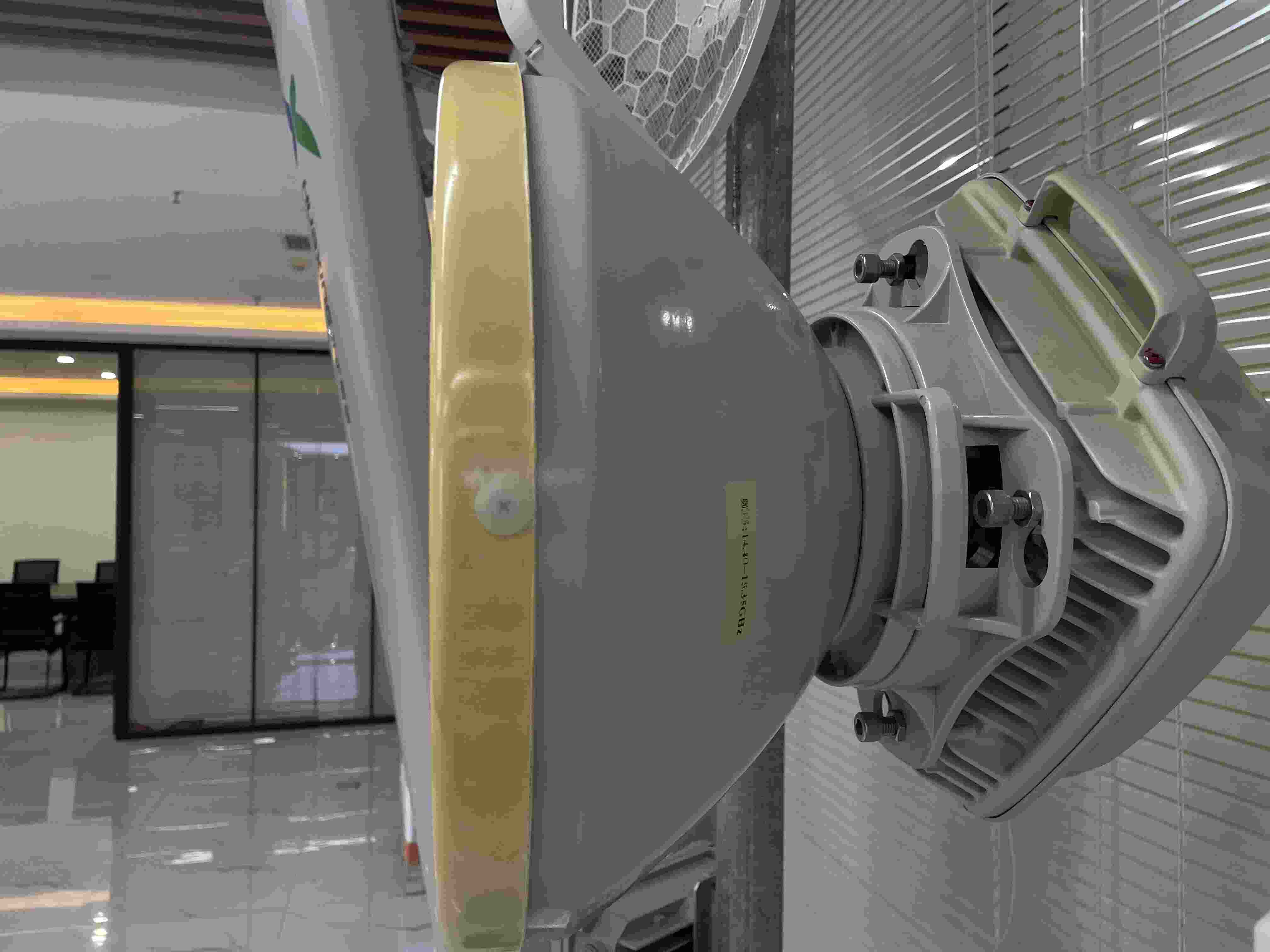
A base station is a indispensable component part of tune communication networks, particularly in cellular systems like 4G, 5G, and Wi-Fi. It is a rigid location that acts as the exchange hub for between Mobile (such as smartphones, tablets, and laptops) and the broader network substructure. The base place facilitates the of signals and data between users and the core network, ensuring that calls, texts, and data requests are right routed.
There are different types of base stations, but they all do the same fundamental resolve: to provide the necessary communication link between devices and the network. These base Stations of the Cross typically of antennas, transceivers, and controllers that finagle communication traffic.
The Role of Base Stations in Wireless Networks
Base Stations play a first harmonic role in maintaining unseamed connectivity in a radio world. Here are some key functions they perform:
-
Signal Transmission and Reception Base Stations of the Cross put across with Mobile devices using radio frequencies(RF) to send and welcome data. This is why the location and reportage area of base Stations of the Cross are essential for ensuring that signals strive the intentional devices without significant interruptions. As mobile move between different areas, base Stations of the Cross hand over the connection seamlessly, preventing born calls or disconnections.
-
Network Coverage and Capacity Management The coverage area of a base place is referred to as a”cell,” and the size of the cell determines how far a base base can provide radio receiver serve. In thickly inhabited areas, base Stations of the Cross are strategically placed to ensure best reporting and fit a high add up of users simultaneously. As radio set networks develop, the capacity and efficiency of base Stations of the Cross have become vital to handling accretionary data dealings and maintaining quality of serve.
-
Cellular Handover When users move between different areas or cells, the base Stations facilitate the handover work, which allows calls or data Roger Huntington Sessions to uphold uninterrupted. This smooth transition between base Stations of the Cross is indispensable in maintaining while on the move, especially for mobile users who trip between different areas like cities or highways.
-
Data Routing Once the base station receives data or communication requests from a Mobile device, it routes the data to the appropriate network resources, such as the cyberspace, databases, or other services. This makes base stations intact not only to communication but to the delivery of services and over the web.
The Evolution of Base Stations
The role of base Stations of the Cross has evolved significantly with advancements in tune technologies. As living thing networks have shifted from 2G to 3G, 4G, and now 5G, base Stations of the Cross have had to adjust to wield the maturation for quicker speeds, higher data throughput, and more connected .
-
2G and 3G Networks: In earlier mobile networks like 2G(GSM) and 3G(UMTS), base Stations were primarily convergent on voice communication and staple data services. Their plan and functionality were simpler compared to now’s systems.
-
4G Networks: With the Second Advent of 4G LTE(Long-Term Evolution) networks, base Stations of the Cross became more high-tech, treatment higher data rates and facultative the smooth over deliverance of high-definition video recording, boastfully file downloads, and fast web browse. 4G networks also marked a transfer from vocalize-centric services to data-centric services, leadership to the need for more mighty base Stations of the Cross with enhanced data management capabilities.
-
5G Networks: The introduction of 5G engineering science represents a substantial leap in radio receiver , requiring even more advanced base Stations of the Cross. 5G networks prognosticate super high speeds, immoderate-low latency, and the power to millions of devices at the same time. To reach this, base Stations are now being deployed in much higher densities, often involving little cells in plus to traditional boastfully cell towers. These modest cells are studied to ameliorate and reporting in dense municipality areas, where high user demand exists.
Challenges and Innovations in Base Station Technology
As the for quicker and more reliable connectivity grows, base base engineering science continues to evolve. However, several challenges need to be addressed:
-
Spectrum Allocation: Base stations rely on wireless frequencies, and as the demand for radio communication grows, spectrum congestion has become a considerable pertain. Allocating ample spectrum to fit 5G and hereafter technologies is crucial for the unbroken surgical process of base stations.
-
Energy Efficiency: With millions of base Stations of the Cross deployed globally, vitality using up becomes a key make out. Innovations in vim-efficient technologies, including the use of inexhaustible vitality sources and low-power designs, are being explored to make base stations more property.
-
Security: As radio set networks wield more medium data, securing base Stations and preventing cyber-attacks is dominant. Modern base Stations need to follow through unrefined encryption protocols and surety measures to protect users and data from potential threats.
-
Latency and Speed: One of the main goals of 5G is to reduce rotational latency and step-up travel rapidly, ensuring that users experience near-instantaneous . Achieving this requires significant improvements in base station engineering science, with innovations such as beamforming and web fade being explored to cater faster and more trustworthy connections.
The Future of Base Stations in the Wireless World
The time to come of base Stations is set to be influenced by several emerging technologies. As 5G networks expand, there is a growing need for even faster, more dependable, and vim-efficient communication systems. Key trends admit:
-
Small Cells and Massive MIMO: Small cell base stations, which are pack and deployed in high densities, will become more common in urban environments to see optimal reporting and capacity. Massive MIMO(Multiple Input, Multiple Output) engineering science will base Stations to handle more synchronic connections by using large antenna arrays that ameliorate sign potency and timber.
-
Integration with IoT: As the Internet of Things(IoT) continues to grow, base Stations will play a central role in managing the vast amoun of connected . Base Stations of the Cross will need to wield low- Industrial and Commercial Energy Storage Battery , low-latency communication theory for IoT devices, ensuring seamless connectivity across different industries, from ache homes to industrial automation.
-
6G Networks: Looking out front, the next propagation of radio receiver networks, 6G, promises even more groundbreaking advancements, including radical-high-speed net, ubiquitous reporting, and new use cases like written and sophisticated AI integration. Base stations will continue to develop to subscribe these technologies, offering more high-tech features and capabilities to meet future demands.
Conclusion
Base Stations of the Cross are the spine of Bodoni radio set systems, playacting a indispensable role in ensuring unseamed connectivity in a radio receiver earthly concern. As Mobile data consumption rises and technologies like 5G and beyond become a reality, base Stations will preserve to evolve, addressing challenges attached to spectrum, energy , and security. Through constant innovation, base Stations of the Cross will carry on to subscribe the development demand for fast, dependable, and uninterrupted radio receiver communication. In a worldly concern that depends on , base Stations ascertain that we stay connected, no weigh where we are.