

Intervention work carries risks that most other oilfield operations do not. Crews work against live well pressure, handle equipment that can fail with little warning, and make decisions where a few seconds of hesitation can turn a routine job into an incident. The training that prepares those crews is therefore not a cost center; it is a risk control measure. Choosing the right well intervention simulation software means thinking about safety value first, and budget, site constraints, and course objectives second. This guide lays out a step-by-step decision framework.
Step One: Define the Risk Profile You Are Training Against
Start with the operations your crews actually perform. A coiled tubing contractor working shallow land wells faces different hazards than a snubbing specialist on high-pressure live wells, and the simulator should reflect those differences. List the intervention types, the equipment families, and the failure modes that have appeared in your own job reports. The scenarios you need already exist in your history; the simulator is the tool to rehearse them. This risk-first approach keeps the specification honest and prevents the purchase from drifting toward the most impressive demo.
Once the risk profile is clear, translate it into requirements: which operations must be covered, which console layouts are needed, and how many trainees must train simultaneously. well intervention simulation software that matches this profile will deliver safety value from day one; a mismatched system, no matter how capable, will not.
Step Two: Match Hardware to Budget and Site
well intervention simulator pricing spans a wide range, and the gap between entry-level and full-mission systems is mostly about console fidelity, station count, and scenario depth. For a training center on a constrained budget, a single instructor-led station with a faithful console covers most basic and intermediate needs. For organizations training crews at scale, multi-station networked configurations justify their higher cost through synchronized team drills, and these are exactly the setups that make well intervention simulation training effective for whole-crew preparation.
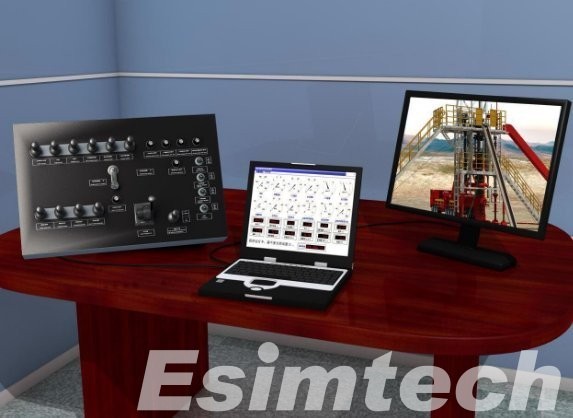 Site constraints matter just as much as budget. Portable configurations that fit in standard containers now allow training at remote bases, which changes the whole cost equation for operators with dispersed operations. Measure the classroom space, check power and ventilation, and decide whether training must travel to the field. A portable snubbing simulator, for example, brings live-well rehearsal directly to the location where the crews work.
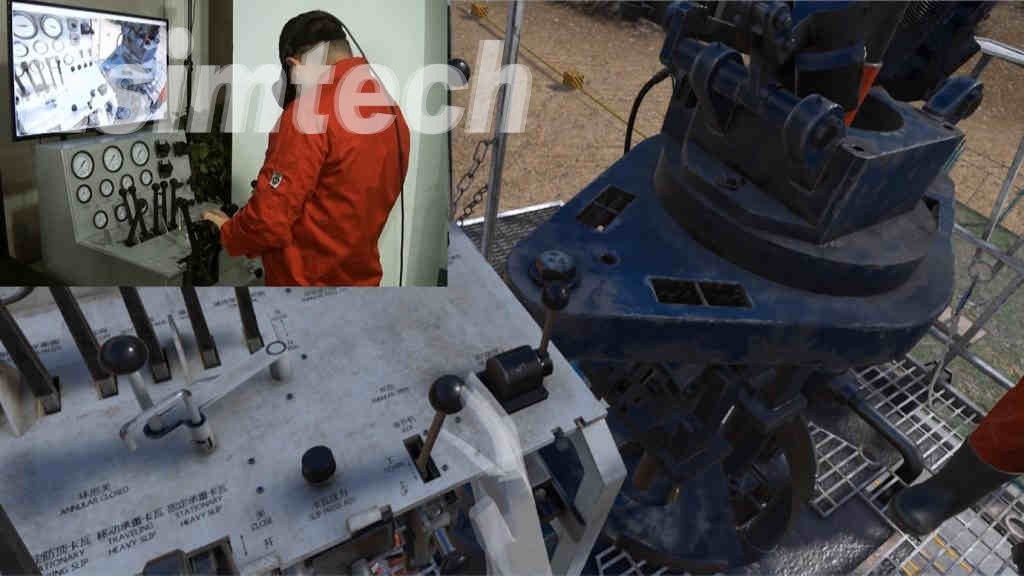 The table below summarizes how the main configuration options map to typical budgets and objectives. Use it as a starting point, then adjust for your own class sizes and curriculum ambitions.
| Configuration | Best For | Relative Cost | Key Limitation |
|---|---|---|---|
| Single-station desktop | University instruction, concept training | Low | No synchronized crew drills |
| Multi-station networked | Service companies, formal certification | Medium | Requires dedicated classroom space |
| Portable field system | Remote operations, job-specific rehearsal | Medium-High | Smaller scenario library capacity |
| Full-mission replica | National academies, advanced assessment | High | Largest footprint and investment |
Step Three: Align Course Objectives and Validate
Finally, match the system to your course objectives: basic operator training, certification preparation, or continuous well-specific rehearsal. The objectives determine the required scenario depth, the assessment features, and the station count, so write them down before contacting vendors. Before purchasing, run a pilot session with your own instructors and a real crew, and judge the system on three questions: does it reproduce the operations you run, can the instructor shape scenarios freely, and does the assessment output support your certification process? A simulator only protects lives when it is actually used, and it is only used when instructors trust it. Choose the configuration that your team will adopt with confidence, and the safety value will follow.