

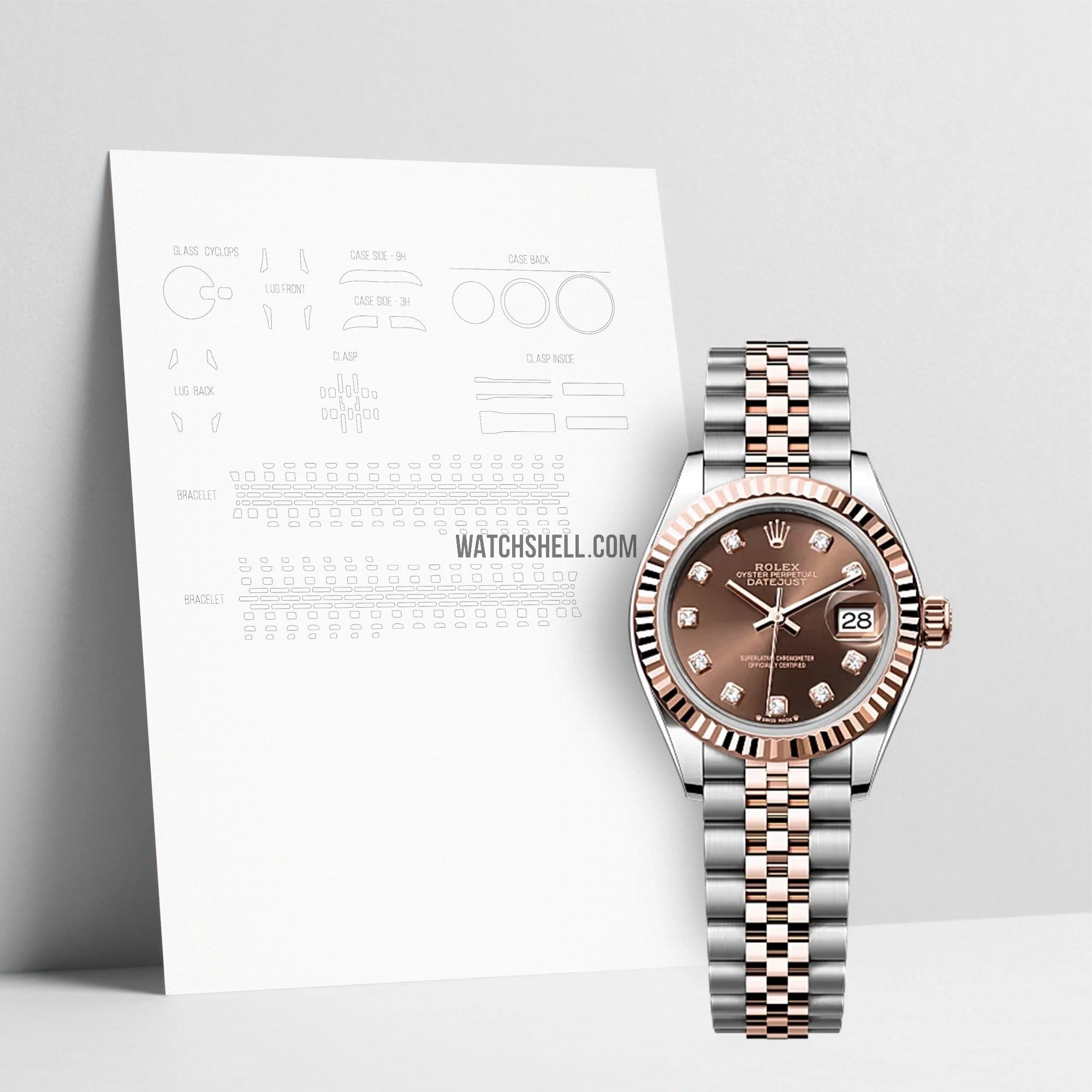
Rolex watches are similar with opulence, craftsmanship, and dateless style. Whether it s a vintage Submariner or a modern Datejust, these timepieces symbolise more than just a way to tell time they re often cherished heirlooms, investment funds pieces, and symbols of subjective achievement. Given their value and prestige, it s no surprise that many Rolex owners are extremely protective of their watches. One wonder that often comes up in take in forums, social media groups, and collector circles is whether or not to use caring film on a Rolex.
Protective film, sometimes referred to as a caring spikelet or screen protector, is a thin, transparent stratum applied to the see s case, watchstrap, or even the crystal to prevent scratches and kid damage. While some collectors bosom it as a virtual safe-conduct, others see it as supernumerary or even esthetically infuriating. To get a clearer project, we spoke directly to Rolex owners about their set about to using protective film and their abstract thought behind it.
Why Use Protective Film?
Among Rolex owners who do employ tender film, the primary need is clear: saving. Rolex watches can be quite overpriced often thousands to tens of thousands of dollars and owners want to keep them looking pristine. Scratches on the case, watchstrap, or watch glass can diminish the view s appearance and, by telephone extension, its value.
I put protective film on my Explorer II as soon as I got it, says Daniel, a catch partisan from New York. I wear it almost every day, and the film has preserved it from scratches and scuffs that would have shown up otherwise. It s fundamentally lightless unless you look intimately, so it doesn t involve the look or feel.
Some owners foreground how protective film offers public security of mind. When you enthrone in a luxury timekeeper, it s cancel to want to screen it from the rigors of wear, unintended bumps, or abrasive surfaces. Protective films supply a soften zone that can take over shaver impacts or abrasions without damaging the actual catch rise up.
Another green use is for owners who plan to keep the view for a long time or resell it in the time to come. The like-new condition is often extremely prized in the resale commercialize, and protective the view s manufacturing plant finish with tender film can help exert its value.
The Case Against Protective Film
On the flip side, many Rolex Protective Film owners prefer not to use protective film, citing several reasons.
First and firstly is esthetics. Some enthusiasts argue that any film or pricker compromises the watch s visible invoke, even if only slightly. Rolex watches are crafted with meticulous attention to detail, including svelte and brushed finishes that the get down beautifully. Applying a film can sometimes dull these finishes or create an unwanted texture.
I m very particular about how my watches look, shares Maria, a accumulator based in London. I believe the ravisher of a Rolex lies in its craft. I don t want any level between me and the watch s come up. If it gets scraped, I see it as part of the watch s account.
There s also the thoughtfulness of wear and tear on the tender film itself. Some owners describe that films can peel, collect dust, or become discoloured over time, requiring sponsor replacement. For watches worn , this can become an ongoing sustentation task.
Additionally, there s a purist mind-set among some collectors who favour to let their watches age naturally. They appreciate the patina, moderate scratches, and signs of wear that come with time as part of the take in s unusual and story.
Balancing Protection and Enjoyment
Interestingly, some Rolex owners take a equal go about they use protective film by selection.
I utilise film only on the watchband, not the case or watch glass, says Ahmed, a Dubai-based gatherer. The wristband is more prostrate to scratches from desk work or jewellery detrition against it. But I like the case to show some wear. It s a midriff run aground between preserving value and enjoying the watch.
Others swop between wear their Rolex with and without film depending on the juncture. For example, they might transfer the film for evening gown events or photoshoots but keep it on for ordinary use.
New Trends and Innovations
The market for protective films and coatings has evolved importantly. Some companies now volunteer immoderate-thin, nearly camouflaged films that are extremely durable and tolerant to yellowing or peeling. There are also ceramic coatings that can be professionally practical to the catch surface for long-term excise resistance without fixing the watch s look.
Rolex itself does not formally back or ply caring films, leaving the entirely up to the proprietor. However, a few dealers or authoritative service centers may set up tender stickers temporarily on new watches before sale to protect them during handling and transport.
Final Thoughts
So, do Rolex owners use caring film? The do is a nuanced yes and no. It at long las depends on personal predilection, life-style, and how the proprietor views the view either as a pristine investment or a usefulness patch of art meant to be worn and lived with.
Protective film offers undisputable benefits in conserving a watch s finish up and protective it from mundane hazards. For those who want their Rolex to remain as close to saleroom condition as possible, it s a realistic root.
On the other hand, many appreciate the natural aging and unusual that comes with age of wear, preferring to relinquish any protective stratum in privilege of legitimacy.
If you re a Rolex owner or thought process of becoming one, consider your priorities: Is your see a troubled investment, a daily company, or both? Whatever you resolve, the love and care you give your Rolex is what truly makes it specialized.